Vehicle Breakdown Recovery
Explore vehicle recovery and towing support when your vehicle cannot continue its journey safely.
Vehicle recovery servicesUnexpected vehicle trouble can disrupt your day. OnMove helps drivers and businesses access vehicle recovery and roadside support, with service options for breakdowns, towing, tyres, batteries and electric vehicles.
For immediate help, use the emergency request link or call the number above. Availability and response times depend on location and circumstances.
Find the right support for your vehicle, whether you need breakdown assistance, a specialist service or recovery equipment.
Explore vehicle recovery and towing support when your vehicle cannot continue its journey safely.
Vehicle recovery servicesFind out about mobile mechanical support for selected vehicle problems and roadside issues.
Mobile mechanic serviceView tyre-related roadside support for drivers who need help with a tyre problem.
Tyre serviceLearn about assistance options when a flat battery prevents your vehicle from starting.
Battery jump-startGet information about support if the wrong fuel has been put into your vehicle.
Wrong-fuel recoveryExplore support information for electric vehicles and specialist EV-related incidents.
Electric vehicle assistance
When a breakdown happens, it helps to know what to do next. Use the OnMove links to request assistance, arrange a booking, ask for a quotation or review service information before you proceed.
Browse the OnMove store for vehicle recovery equipment and related products. Use the product search to find items by name or keyword.
For product availability, compatibility or purchasing questions, contact the team before ordering.
Visit the Equipment Store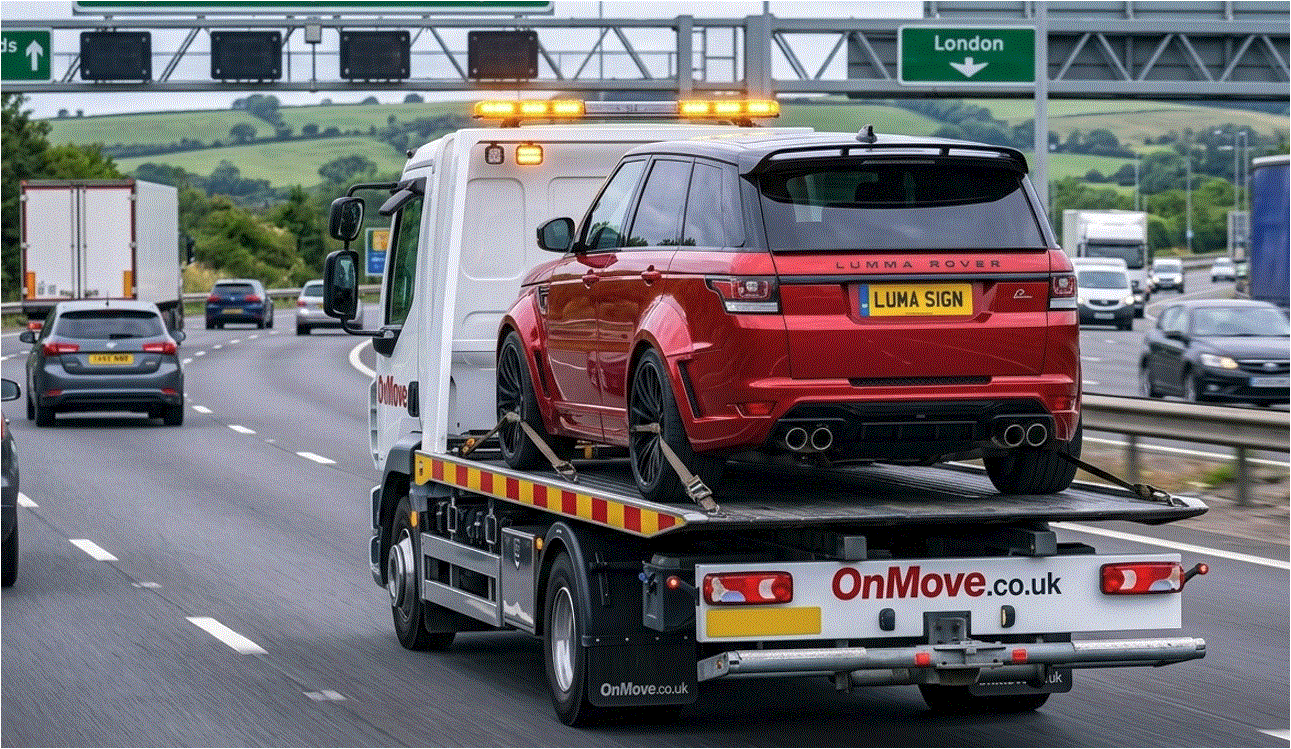
Send a request online, arrange a booking or speak to OnMove by phone.
Use the contact routes below to ask about roadside support, bookings, quotations or recovery equipment.